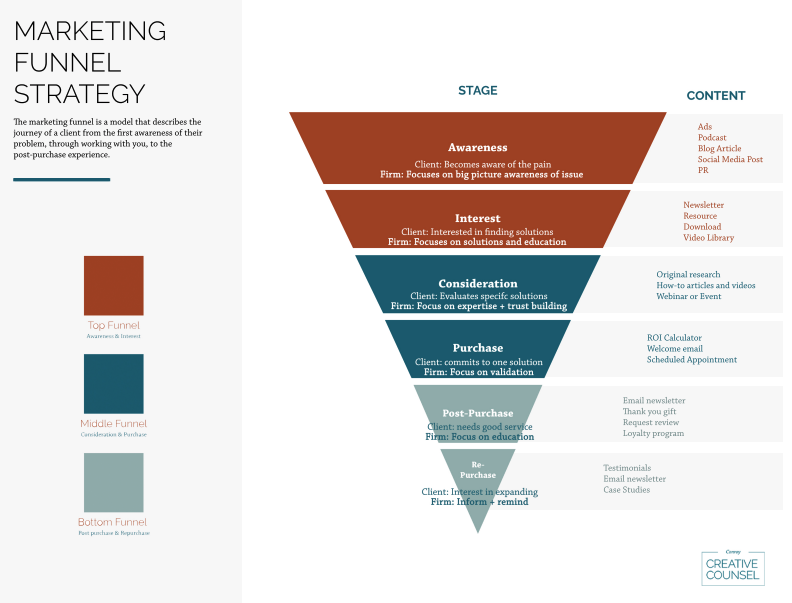

A good SEO strategy is an important tool in your marketing arsenal, but if you stop there you’re missing out on an opportunity to convert more visitors into loyal, longtime clients. SEO may get potential clients to click through to your site, but if they don’t see enough information on your site to trust that you’re an authority in your practice area — or can’t find your contact information — you will lose them.
When you’re planning your marketing and SEO for law firms, be sure to give some thought to conversion-focused web design.
What Is Conversion-Focused Website Design?
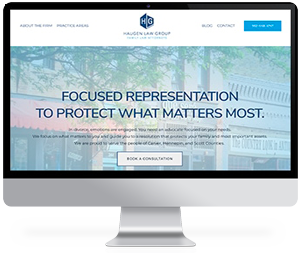
Conversion-focused website design is one that gets your website visitors to engage with you by responding to your calls to action. For most firms, an ideal conversion means that person books a consultation with your firm or fills out a contact form.
A conversion-focused website will have one goal (for example, “book a consultation”), and every visual element and piece of information on the site will be dedicated to that goal. That includes using logos and photos that project your firm’s desired image, clear and concise web copy and a call to action on every page.
Designing your website around this single goal requires you to think like a client.
What would you want to know about your attorney, and what would make you trust that they’re an authority in their field? Once you have the answers to those questions, you can move on to creating or rebranding your website.
How Can I Convert More Visitors into Clients?
- Know your target market. You should know who your law firm’s most likely and ideal clients are, what they’re interested in and how they might search for an attorney. This information will help guide the SEO keywords you use on your site so that you show up in organic and paid searches. Think of SEO as the road map that gets a client to a destination, and conversion-focused web design as the way you convince them to stay awhile.
Read the rest of the article at Attorney at Work.